Rheumatology Conditions we Treat
A Patient-First Approach to Rheumatology

At Witham Health Services, our rheumatology team diagnoses and manages a wide range of conditions affecting the joints, muscles, bones and immune system. From common forms of arthritis to complex autoimmune and inflammatory diseases, we take a personalized approach to understanding your symptoms and developing a treatment plan that supports your mobility, comfort and long-term health. Our goal is to reduce pain and inflammation, protect joint and organ function and help you maintain the best possible quality of life.
Conditions we Treat
- Rheumatoid Arthritis
- An autoimmune disease that causes ongoing joint inflammation, pain, swelling and stiffness and may lead to joint damage over time.
- Osteoarthritis
- A common form of arthritis that develops as joint cartilage breaks down, causing pain, stiffness and reduced mobility.
- Psoriatic Arthritis
- An inflammatory form of arthritis associated with psoriasis that can affect the joints, spine, fingers and toes.
- Ankylosing Spondylitis
- A chronic inflammatory condition that primarily affects the spine and may cause back pain, stiffness and reduced flexibility.
- Reactive Arthritis
- Joint inflammation that can develop after an infection elsewhere in the body, often affecting the knees, ankles or feet.
- Juvenile Idiopathic Arthritis
- A group of inflammatory arthritis conditions that begin before age 16 and cause persistent joint pain, swelling or stiffness.
- Gout
- A painful form of inflammatory arthritis caused by uric acid crystals collecting in a joint, often the big toe.
- Calcium Pyrophosphate Deposition Disease (CPPD/Pseudogout)
- A condition in which calcium crystals build up in the joints, causing sudden pain, swelling and inflammation similar to gout.
- Septic Arthritis
- A serious joint infection that can cause sudden pain, swelling, warmth and difficulty moving the affected joint.
- Palindromic Rheumatism
- A rare condition that causes recurring episodes of joint pain and swelling that resolve completely between attacks.
- Systemic Lupus Erythematosus (Lupus)
- A chronic autoimmune disease that can cause inflammation in the joints, skin, kidneys, lungs, heart and other organs.
- Sjögren's Syndrome
- An autoimmune condition that commonly causes dry eyes and dry mouth and may also affect the joints, nerves and internal organs.
- Scleroderma (Systemic Sclerosis)
- An autoimmune disease that causes the skin and connective tissues to tighten or harden and may affect internal organs.
- Mixed Connective Tissue Disease
- An autoimmune condition that includes overlapping features of lupus, scleroderma, polymyositis and other connective tissue diseases.
- Undifferentiated Connective Tissue Disease
- A condition involving signs of autoimmune disease that do not yet meet the criteria for one specific connective tissue disorder.
- Dermatomyositis
- A rare inflammatory disease that causes muscle weakness and a distinctive skin rash.
- Polymyositis
- A rare inflammatory condition that causes progressive weakness in the muscles closest to the center of the body.
- Antiphospholipid Syndrome
- An autoimmune disorder that increases the risk of abnormal blood clots and may contribute to pregnancy complications.
- Giant Cell Arteritis
- Inflammation of arteries in the head and neck that can cause headaches, jaw pain and vision problems and requires prompt treatment.
- Takayasu Arteritis
- A rare form of vasculitis that affects the aorta and its major branches, potentially reducing blood flow throughout the body.
- ANCA-Associated Vasculitis
- A group of autoimmune disorders that inflame small blood vessels and may affect the kidneys, lungs, sinuses and other organs.
- Granulomatosis with Polyangiitis (Wegener's)
- A rare type of vasculitis that commonly affects blood vessels in the sinuses, lungs and kidneys.
- Microscopic Polyangiitis
- A rare autoimmune disease that causes inflammation in small blood vessels, often affecting the kidneys, lungs, skin or nerves.
- Eosinophilic Granulomatosis with Polyangiitis (Churg-Strauss Syndrome)
- A rare form of vasculitis associated with asthma and elevated eosinophils that may affect the lungs, nerves, skin and other organs.
- Polyarteritis Nodosa
- A rare disease that causes inflammation in medium-sized arteries and may affect the skin, nerves, muscles, kidneys or digestive system.
- Osteoporosis
- A condition that weakens bones and increases the risk of fractures, particularly in the hip, spine and wrist.
- Osteopenia
- Lower-than-normal bone density that is not yet osteoporosis but may increase the risk of developing it.
- Metabolic Bone Disease
- A broad group of conditions that affect bone strength or structure because of abnormalities in minerals, hormones or bone metabolism.
- Fibromyalgia
- A chronic condition that causes widespread pain, fatigue, sleep disturbances and increased sensitivity to pressure or touch.
- Myofascial Pain Syndrome
- A chronic pain condition involving sensitive trigger points in muscles and the connective tissue surrounding them.
- Chronic Widespread Pain
- Persistent pain affecting multiple areas of the body for an extended period, sometimes without one identifiable cause.
- Soft Tissue Rheumatism
- A group of painful conditions affecting muscles, tendons, ligaments and other tissues surrounding the joints.
- Bursitis
- Inflammation of the small fluid-filled sacs that cushion joints, often causing pain near the shoulder, hip, elbow or knee.
- Tendonitis
- Inflammation or irritation of a tendon that can cause pain, tenderness and difficulty moving the affected area.
- Raynaud's Phenomenon
- A condition in which blood vessels in the fingers or toes temporarily narrow in response to cold or stress, causing color changes and numbness.
- Polymyalgia Rheumatica
- An inflammatory condition that causes aching and stiffness in the shoulders, neck and hips, most commonly in older adults.
- Behçet's Disease
- A rare inflammatory disorder that can cause recurring mouth sores, genital sores, eye inflammation, skin symptoms and joint pain.
- Sarcoidosis
- An inflammatory disease in which clusters of immune cells form in the body, most commonly affecting the lungs and lymph nodes.
- Relapsing Polychondritis
- A rare autoimmune condition that causes recurring inflammation of cartilage in areas such as the ears, nose and airways.
- Adult-Onset Still's Disease
- A rare inflammatory condition that may cause high fevers, rash, joint pain and widespread inflammation.
- IgG4-Related Disease
- An immune-mediated condition that can cause inflammation, swelling and tissue damage in one or more organs.
- Fever of Unknown Origin With Suspected Autoimmune Cause
- A prolonged or recurring fever without a clear explanation that may require evaluation for an underlying inflammatory or autoimmune condition.
Ready to Find Relief?Our rheumatology team is here to help you better understand your symptoms and create a personalized treatment plan that supports your comfort, mobility and long-term health. |
Related Providers

Tehniat Haider, M.D.
Rheumatology
Accepting New Patients
Witham Medical Group
Related Locations

Specialty Care
Witham Physician Specialty Center, Whitestown at Anson
6085 Heartland Drive Suite 200 - Zionsville, IN 46077
Specialty Care
Witham Specialist Center, Lebanon
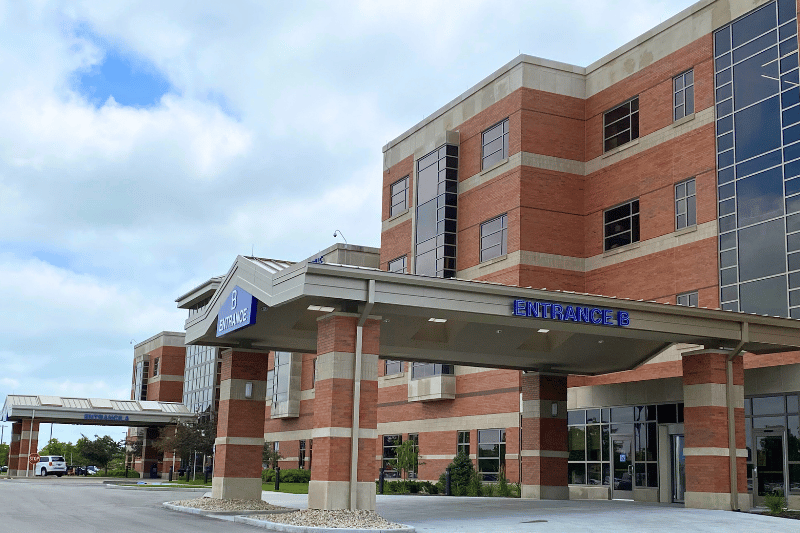
2705 North Lebanon Street, North Pavilion, Entrance B Suite 265 - Lebanon, IN 46052