Pulmonary and Sleep Medicine at Witham
Expert Care for Better Breathing and Restful Sleep
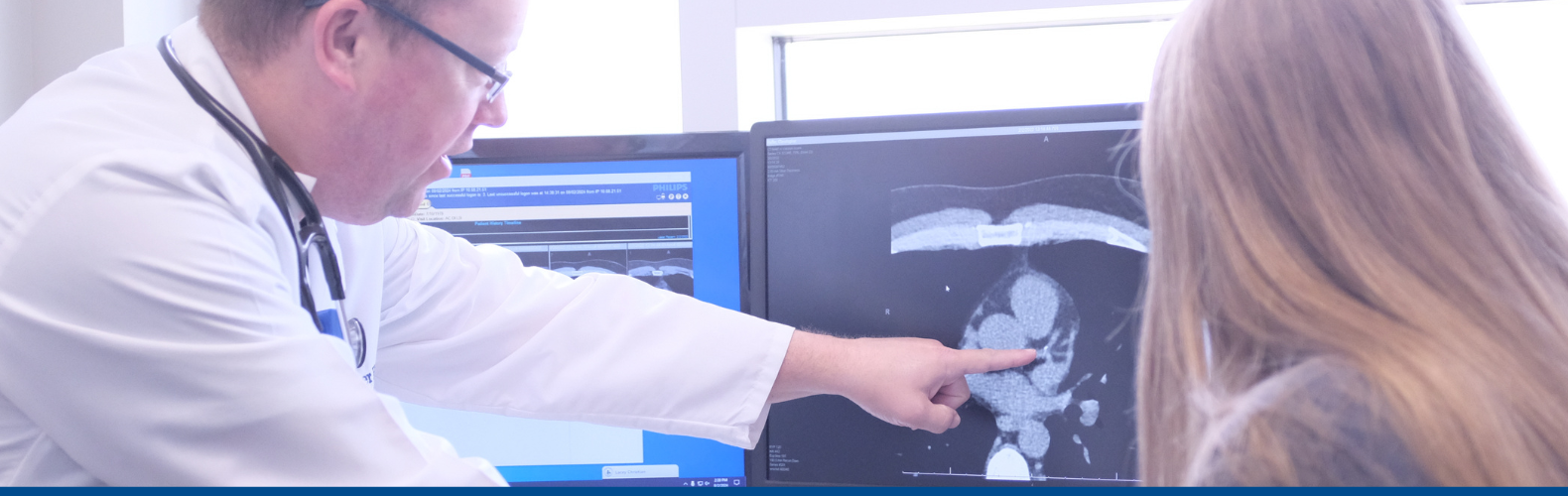
Pulmonary and Sleep Medicine focuses on diagnosing and treating conditions that affect breathing and sleep. From asthma and COPD to sleep apnea and insomnia, our specialists help patients breathe easier, sleep better, and improve their overall health.
Expert Pulmonary Care with Advanced Diagnostics and Personalized Treatment
Our pulmonology team provides a wide spectrum of specialized diagnostic testing and treatment options to support lung health at every stage. Services include pulmonary function testing to assess breathing capacity, minimally invasive procedures such as fiberoptic bronchoscopy, robotic bronchoscopy and endobronchial ultrasound (EBUS), and therapeutic interventions like thoracentesis. We also offer overnight oximetry, pulmonary rehabilitation programs to improve quality of life, and sleep studies to diagnose and manage sleep-related breathing disorders—all delivered with a focus on precise diagnosis and individualized care.
Conditions we specialize in include:
Asthma causes your airways to become inflamed and narrowed, making it harder to breathe. Inhalers and medications can help keep symptoms under control.
Irritation and inflammation in your airways can lead to a persistent cough and mucus. It’s typically diagnosed based on your symptoms, and treatment may include rest, fluids, and medications to help relieve discomfort.
COPD, often caused by smoking or exposure to irritants. makes it difficult to breathe. It’s diagnosed with breathing tests and imaging, and treatment may include inhalers, oxygen therapy, and programs to help improve your breathing and quality of life.
A cough is your body’s natural way of clearing your airways, but when it lingers, it may be a sign of an underlying issue. Your provider will evaluate your symptoms to find the cause and recommend the right treatment to help you feel better.
Shortness of breath is the sensation that you can’t get enough air or are working harder to breathe. It can have many causes, so your provider may recommend tests to find the reason and create a treatment plan tailored to your needs.
When the lung tissue becomes scarred it’s harder to breathe deeply. Usually diagnosed with imaging and breathing tests, treatment focuses on slowing progression and helping you breathe more comfortably.
High blood pressure in the blood vessels of the lungs can make your heart work harder. It’s diagnosed with specialized tests, and treatment may include medications and other therapies to improve blood flow and reduce symptoms.
This lung infection can cause cough, fever, and difficulty breathing. It’s typically diagnosed with an exam and chest imaging, and treatment may include antibiotics or other medications depending on the cause.
A blockage in the blood flow to the lungs, usually caused by a blood clot, can be serious if not treated quickly. It is diagnosed with imaging and blood tests, and treatment often includes medications to thin the blood and prevent further clots.
Often seen on imaging studies of the chest, our providers can review the imaging, assess the risk of lung cancer or more benign causes, and recommend an individualized diagnostic evaluation that may include lab testing or tissue sampling with a biopsy.
When your internal body clock is out of sync with your daily schedule, it can be hard to fall asleep or wake up at the right times. Diagnosis often involves reviewing your sleep habits, and treatment may include light therapy, schedule adjustments, or medication.
Unusual behaviors that happen during sleep, such as sleepwalking or night terrors are usually diagnosed based on your sleep history. Treatment focuses on improving sleep habits and keeping you safe during episodes.
When your breathing repeatedly stops and starts while you sleep, leading to poor rest and daytime fatigue, it’s diagnosed with a sleep study. Treatment may include a CPAP machine, oral devices, or lifestyle changes.
This uncomfortable urge to move your legs, especially at night, can interfere with sleep. It’s typically diagnosed based on your symptoms, and treatment may include lifestyle changes, supplements, or medication.
Having trouble falling asleep or staying asleep? It can leave you feeling tired during the day. Your provider will review your sleep habits and may recommend behavioral strategies, improved sleep routines, or medication if needed.
This sleep disorder causes extreme daytime sleepiness and sudden episodes of falling asleep. It’s diagnosed with specialized sleep testing, and treatment often includes medications and lifestyle adjustments to help manage symptoms.
Visit our Health Library to learn more about:
Advanced Lung Diagnosis, Close to Home
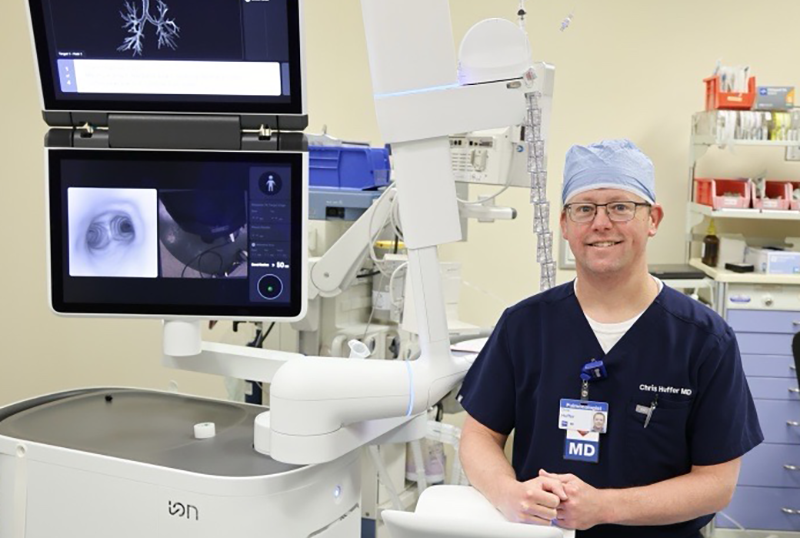
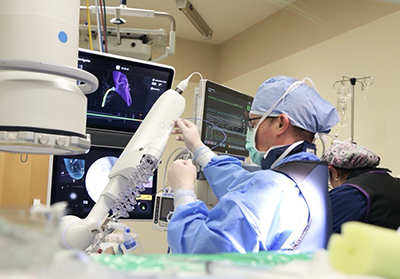
Witham Pulmonology is proud to offer the Ion Robotic Bronchoscopy System, an advanced, minimally invasive technology that helps detect lung cancer earlier and with greater precision. This state-of-the-art system enables physicians to reach small or hard-to-access areas of the lungs, improving the ability to diagnose concerns quickly and accurately. For patients, this means access to leading-edge care here in Boone County, Indiana, without the need to travel far from home. Combined with routine lung cancer screening, especially for those ages 50–80 with a history of smoking, this technology plays a critical role in identifying lung cancer at its earliest, most treatable stages.
Early lung cancer screening saves lives

Lung cancer is the leading cause of cancer death in the U.S., but early detection saves lives. Witham offers quick, painless, low-dose CT scans for lung cancer screening. It’s recommended if you’re 50 to 80 and have a history of smoking, or if you’re currently a smoker.
Related Providers
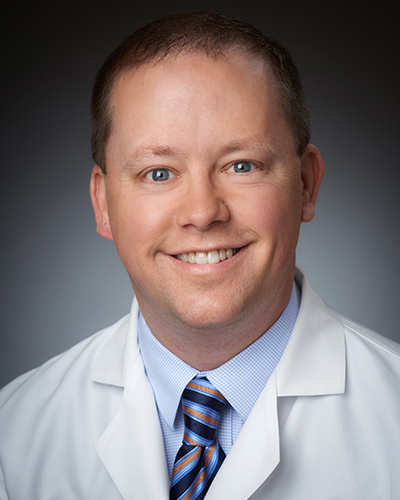
Christopher J. Huffer, M.D.
Pulmonology
Accepting New Patients
Witham Medical Group

Mitchell Carter, N.P.
Pulmonology +1 more
Witham Medical Group
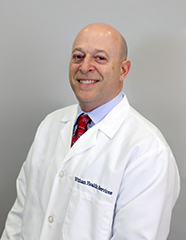
Edward P. Mintz, M.D.
Pulmonology
Accepting New Patients
Witham Medical Group
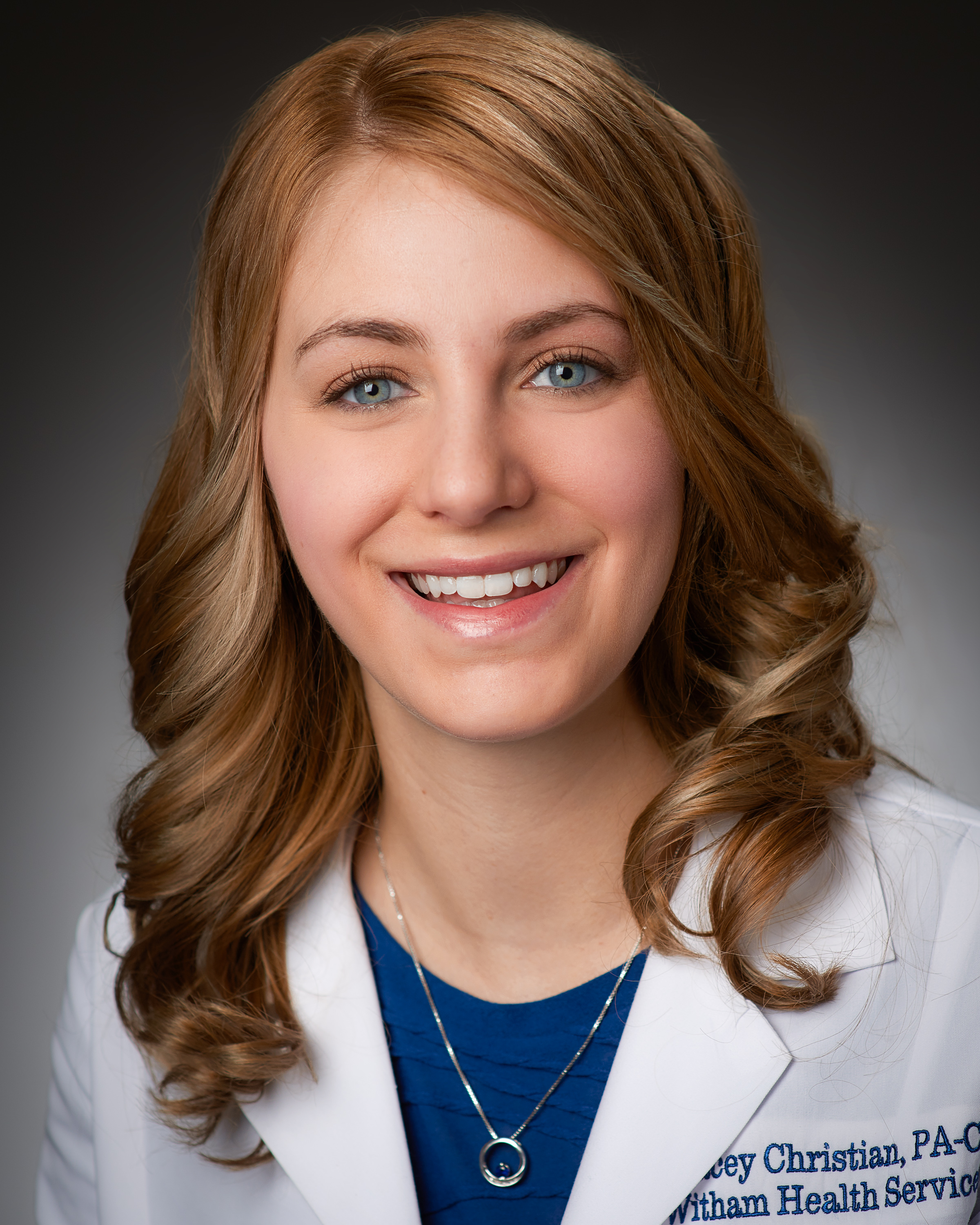
Lacey N. Pulley, P.A.-C.
Pulmonology
Witham Medical Group

Rebeca Maynard, D.O.
Sleep Medicine
Accepting New Patients
Witham Medical Group
Related Locations
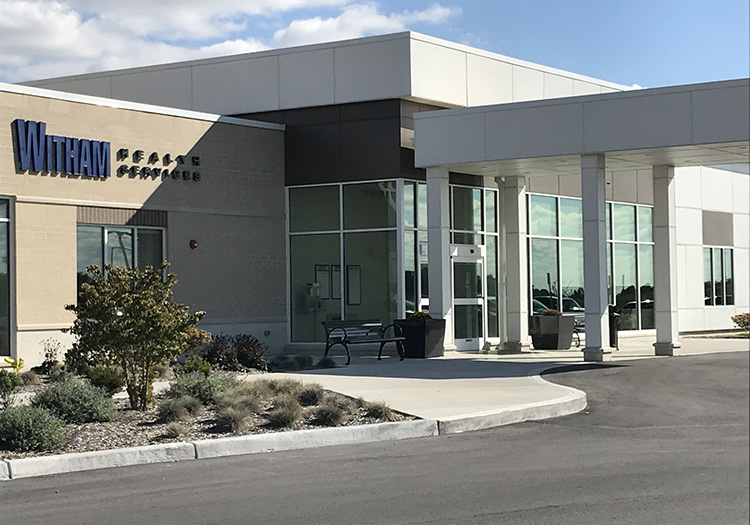
Primary Care +3 more
Witham Health Services, Frankfort
2485 East Wabash Street - Frankfort, IN 46041
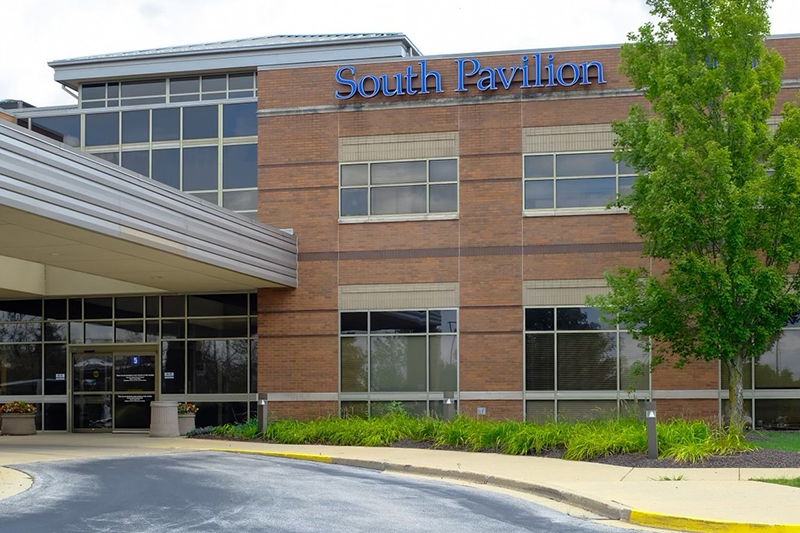
Specialty Care
Witham Pulmonary and Sleep Medicine
2505 N. Lebanon Street South Pavilion, Suite 130 - Lebanon, IN 46052
Specialty Care
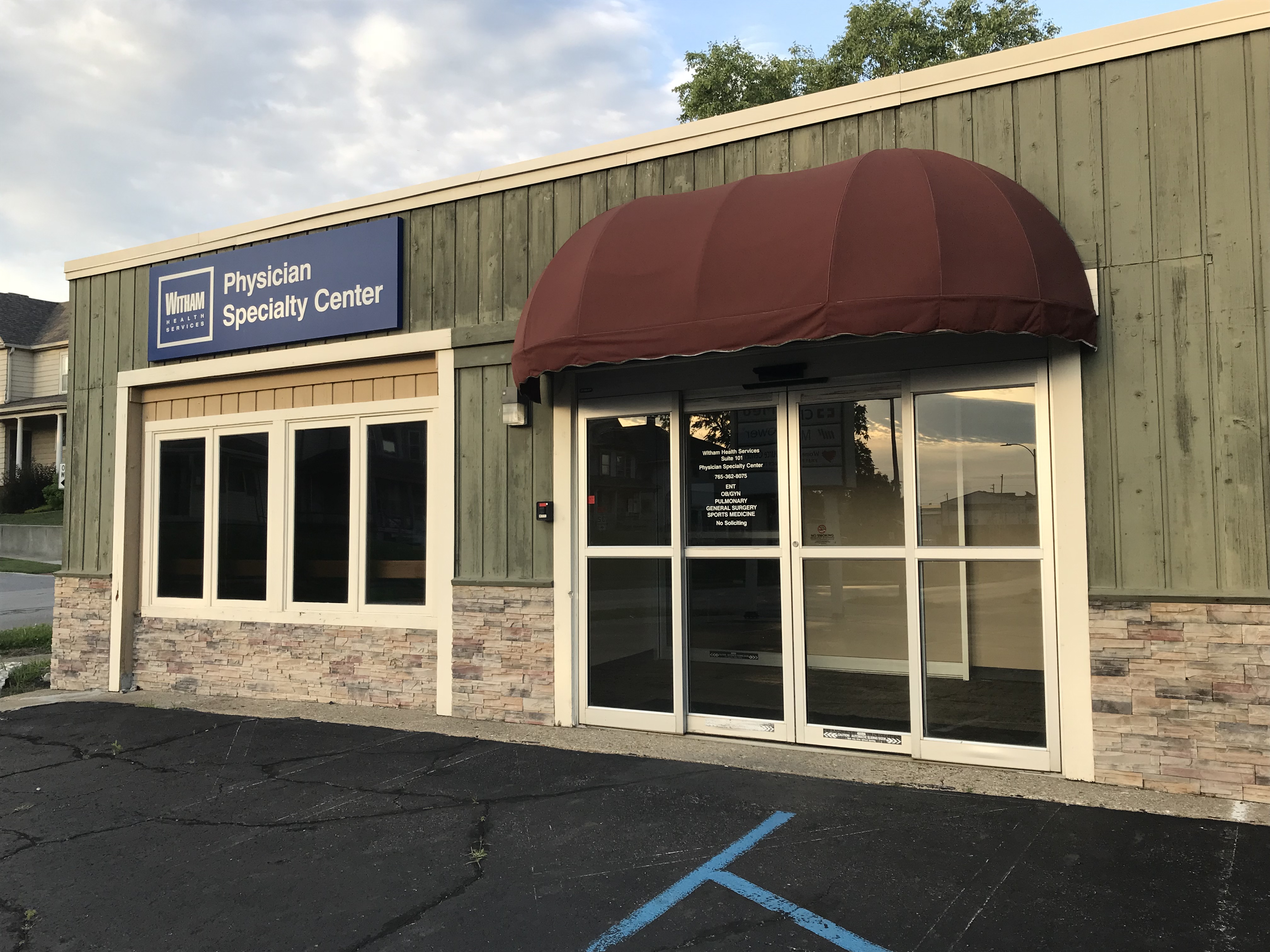
Witham Physician Specialty Center, Crawfordsville
407 E. Market Street - Crawfordsville, IN 47933
Specialty Care
Witham Physician Specialty Center, Whitestown at Anson
6085 Heartland Drive Suite 200 - Zionsville, IN 46077