Facial procedures

Thoughtfully tailored for 
naturally refreshed, balanced results

Subtle, sophisticated enhancements that reflect your natural beauty.

Whether you’re addressing visible signs of aging, restoring youthful contours, or simply seeking to feel more confident in your appearance, your goals are uniquely your own.

At every step, our team approaches facial procedures with care, expertise, and attention to detail. Dr. Chris Lowery and Dr. Emily Lo take time during each consultation to understand your concerns and desired outcomes before recommending a thoughtful plan. From facelifts and eyelid surgery to neck lifts and facial implants, each procedure is designed to rejuvenate and refine your features—prioritizing natural-looking, balanced results that restore a more youthful, confident appearance.

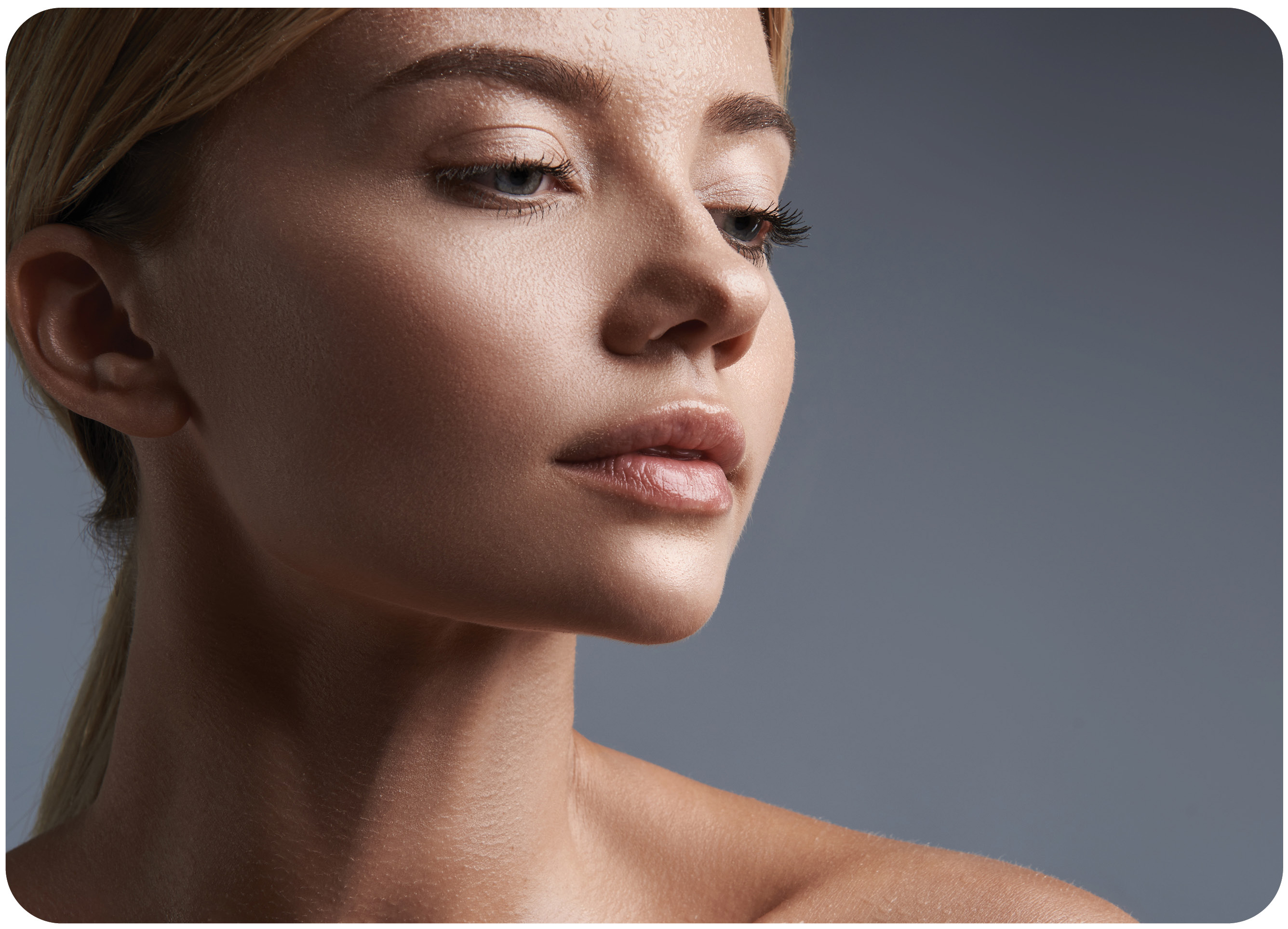
A close-up of a lady's face

Our services.

Wrinkles, sagging skin and laxity in the jowls commonly occur after years of normal daily facial expressions, exposure to the elements and the natural aging process. A facelift, or rhytidectomy, is one of the most popular cosmetic procedures for refining and rejuvenating the face and neck, and can take years off of your appearance.

Is a facelift right for you?

It’s important to understand the limitations of facelift surgery. A facelift addresses signs of aging in the mid and lower face, but does not remove forehead wrinkles, crow’s feet or under-eye bags. That’s why many people choose to combine their facelift with additional procedures like eyelid surgery for a more comprehensive approach to facial rejuvenation.

During your initial consultation, you’ll be able to discuss your goals with one of our cosmetic surgeons, including any concerns you may have. They will assess your needs and give you an idea of the outcome you can expect. Your cosmetic surgeon may also recommend additional treatments to better address your expectations.

Your procedure: Your exact facelift procedure will depend upon your individual needs hand the approach you and your cosmetic surgeon decide upon to create the best results. Most facelifts are performed under general anesthesia, but in some cases, only a local anesthetic may be used.

There are three common types of facelifts.

Traditional Facelift: In a traditional facelift, the incisions run from the temple area above the ear, tracing around the front of the ear and ending behind the ear. The skin is lifted and your surgeon will reposition underlying muscle and tissue to create more youthful facial contours. The skin is tightened and excess skin and fat may be removed. The incisions are closed with fine sutures or metal clips.

Mid Facelift: A mid facelift rejuvenates the contours of the mid face, and can be useful for people with sagging cheeks or nasal furrows. The mid facelift uses incisions in the temporal hairline and inside the upper lip to raise the soft tissue of the mid face to its original youthful position over the cheekbones. The mid facelift can be done with minimal incisions. By taking an endoscopic approach, our cosmetic surgeons use a tiny fiber optic lens and imaging equipment to create precise results with the smallest incisions necessary. This option can restore a more youthful look to the cheeks and undereye area, but will not address sagging skin in the lower face or jowls.

Mini Facelift: Also known as an S-lift, a mini facelift provides a lift to the neck and the lower third of the face. Small, S-shaped incisions are made in front of the ears to tighten sagging skin in the cheeks, chin or neck. Soft tissue is lifted in the cheeks and lower face and excess skin and fat are removed.

As a nonsurgical alternative to these traditional facelift surgery options, your cosmetic surgeon may recommend the Silhouette InstaLift™, which can help you look visibly refreshed without the downtime associated with surgery.

Recovery and results: Immediately following your facelift surgery, you can expect some bruising and swelling that will persist for a few days. Some discomfort during this time is normal and can be controlled with oral medication. Depending on the type of facelift performed, you may be asked to refrain from showering or washing your hair for the first 1 to 2 days, after which we will remove your bandages.

Most people take 1 to 2 weeks away from work and other normal activities to recover from their facelift. Most people feel comfortable enough after about 2 to 3 weeks to engage in public and social activities. You should avoid direct sun exposure for several additional weeks. Your final results should be visible by 6 months after your procedure. Following your facelift recovery, you should have visibly smoother, firmer and younger looking facial contours.

Many people would like the youthful appearance that a facelift can provide but don’t have time for the lengthy recovery process after surgery. For men and women looking for a nonsurgical facelift alternative, Silhouette InstaLift™ offers a welcome solution.

Is Silhouette InstaLift™ right for you?

If evidence of facial aging is beginning to show but you’re not ready to commit to a facelift, InstaLift™ may be the answer. The early signs of jowls, sagging skin or loss of facial volume can detract from your appearance or take a toll on self-image, but cosmetic surgery may not be a preference or an option for you.

Silhouette InstaLift™ is a nonsurgical facial rejuvenation procedure that offers immediate results combined with very little downtime. By inserting absorbable suspension sutures into key points of the face, your cosmetic surgeon can provide a subtle lift to facial features for a rejuvenating effect.

During your initial consultation, your cosmetic surgeon will discuss your aesthetic goals with you, and explain the degree of improvement you can expect from this nonsurgical facial rejuvenation procedure. Depending upon your cosmetic concerns, your cosmetic surgeon may suggest including BOTOX® Cosmetic & Xeomin® or laser skin resurfacing to help minimize the appearance of wrinkles and revitalize your complexion.

5 Big Benefits of a Silhouette InstaLift™

  • No Surgery
  • No Downtime
  • No Fillers
  • Your Natural Collagen Boosts Volume
  • Results May Last Up To 2 Years

Your procedure: Using fully absorbable sutures with small, smooth, bidirectional cones, your cosmetic surgeon can lift the midface to restore a more youthful appearance to the face.

To begin, a needle is used to place the suture in the tissue layer directly under the skin. By harnessing the opposing direction of the cones to compress and fix the loose facial layer, the face is lifted and any skin laxity is tightened for a more revitalized result.

But the lifting is only half of the story. The long-term result is the most exciting reason that this innovative procedure is so successful. A process of biological fixation occurs as the cones are encapsulated by your skin’s natural collagen. Over time, this result is maintained by your own tissue and no longer depends on the InstaLift™ sutures.


The third benefit of Silhouette InstaLift™ is the enhanced facial contouring it offers by naturally stimulating the rebuilding of your own collagen. As collagen production progresses, the skin takes on a more vibrant texture. An in-office procedure, InstaLift™ can be done in as few as 45 minutes under local anesthesia.

Recovery and results: After you InstaLift™ procedure, you can expect to see immediate results, which will continue to improve over time. 

Some people may experience slight bruising or swelling following the nonsurgical treatment, which should resolve within 2 to 3 days. You should be able to resume all your normal activities by the next day.

Excess fat in your face, chin and neck areas can have a negative impact on your overall appearance and self-confidence. But because these facial fat deposits are often hereditary and therefore don’t always respond to diet and exercise, they can be difficult or even impossible to get rid of with traditional methods alone. When this is the case, facial liposuction can help to slim and contour your face while also having the added benefit of boosting your self-image.

Is facial liposuction right for you?

If the contours of your face appear to be out of proportion with the rest of your body, facial liposuction can be an effective solution to remove unwanted pockets of exercise-resistant fat in your face, chin or neck. Even after losing weight, some localized areas of fat might remain and may take away from your overall appearance. In this situation, a cosmetic procedure may be the only way to successfully remove and smooth these problem spots.

The best candidates for facial liposuction will be at or very close to their target weight prior to seeking treatment, have realistic expectations for their results and have good skin elasticity. At your consultation, we can further discuss your unique needs and goals and help you determine if you’re a good candidate for face liposuction. Men and women who have loose skin in the lower face in addition to fatty deposits may see better results from a face lift or neck lift.

If your primary concern is a double chin, Kybella™ is a nonsurgical alternative to chin liposuction that may be a suitable option for you. One of our skilled cosmetic surgeons can discuss the benefits of both surgical and nonsurgical facial procedures with you. 

Your procedure: Facial liposuction techniques are very similar to those of traditional liposuction used in other areas of the body. Our experienced cosmetic surgeon will first inject an anesthetic solution into the treatment area for your optimal comfort. Your surgeon will then make a small, inconspicuous incision in the appropriate area of your face, chin or neck and will insert a special tube, called a cannula, with an attached suction device. The procedure permanently removes excess fat cells in the treatment area.

For many people, facial liposuction is a fairly quick procedure, although the amount of time it takes can vary, as it depends on your specific situation.

Recovery and results: Following your facial liposuction procedure, you may notice some swelling, bruising or numbness in the treated area(s), but mild pain relievers and cold compresses can help to alleviate these symptoms. Over the next few days, any side effects should diminish. Most men and women may resume their normal daily activities within 2 to 4 days after face liposuction, though everyone’s body will recover at a slightly different rate.

Because this procedure actually extracts the fat cells from your body, you can expect to enjoy long-lasting and even permanent results, provided you maintain a healthy, active lifestyle. Your final results should reveal a slimmer, more contoured facial structure, leaving you looking and feeling confident and comfortable in your own skin.

Facial scars can be particularly frustrating because they’re nearly impossible to hide or cover up. Whether the result of acne, chicken pox, burns, surgery or other circumstances, facial scars can detract from your overall appearance and impact your confidence.

Although scarring is part of your body’s natural healing process, sometimes too much or too little collagen is produced during this process, which can result in indented or bumpy scars on your face. Facial scar treatments can help to restore an even and smooth texture to your skin by significantly reducing or completely eliminating scar tissue.

Is facial scar treatment right for you?

If scarring on your face is interfering with your self-confidence, know that there are a variety of facial scar removal options that can help to restore your skin’s smooth, even appearance.

During your consultation, you can discuss your specific problem spots and goals for your final results with one of our experienced cosmetic surgeons, who can help you to determine if you’re a good candidate for scar removal treatment and which procedure might be best for you.

Your procedure: Depending on the cause and type of scarring you have, different solutions might work better than others for your skin. To accommodate your unique needs, we offer a wide range of facial scar treatment options:

Excisional Surgery: In some cases, a surgical procedure is the best way to remove severe facial scars. Excisional surgery is the process of surgically removing scar tissue, and may be a good option for keloid, or raised, scars. Other situations may call for punch grafting, in which the scar is cut away and replaced with a graft of smooth, healthy skin.

Subcision: works by creating tiny holes with a special instrument in the affected area(s), which then stimulates your body’s natural collagen production to repair your skin. This process can yield excellent scar removal results and typically takes about an hour to perform.

Laser Skin Resurfacing: By directing pulses of laser light at the scar tissue, laser skin resurfacing can also trigger a boost of collagen production in your skin, which can reduce or eliminate discoloration and other unwanted effects of facial scarring.

Skin Rejuvenation Procedures: Microdermabrasion and chemical peels are nonsurgical scar removal options for facial scars. Microdermabrasion uses tiny abrasive crystals that sweep away the outer layer of skin cells from your face, revealing a fresh new layer. Similarly, chemical peels work by exfoliating the outer layer of skin to reveal new, regenerated skin. Each of these skin rejuvenation procedures can help with facial scar removal while enhancing your overall skin tone.

Recovery and results: Your facial scar treatment recovery will depend on which scar removal procedure you choose, but generally speaking, you can expect to notice a significant improvement in skin tone and texture shortly after your treatment. In some cases, multiple sessions may be necessary to maximize your results.

As we age, our bodies begin to decrease collagen production, which can lead to facial volume loss, creating a sunken-in or deflated appearance. In other cases, accidents or even genetics can leave your chin and/or cheekbones misshapen or otherwise out of proportion with the rest of your features. For men and women seeking better-defined facial contours, facial implants for the cheeks or chin can offer excellent, natural-looking results.

Are chin and cheek implants right for you?

If you’re unhappy with your facial volume or the balance and proportions of your face, facial implants can enhance and highlight your natural assets. Whether for cosmetic or reconstructive purposes, chin augmentation or cheek augmentation can help you to look and feel your finest and can offer a more permanent solution than temporary injectable fillers.

During your initial consultation, you’ll be able to discuss your goals with one of our skilled cosmetic surgeons, who will design a surgical plan tailored to meet your unique needs. For men and women seeking to get rid of excess sagging skin, lines and wrinkles in the face and chin areas, a facelift procedure may be a better option, or, in some cases, could be combined with facial implants for optimal results.

Your procedure: Getting chin or cheek implants can be done on an outpatient basis, with either local or general anesthesia. Our cosmetic surgeon will create carefully placed incisions in the appropriate areas, through which he or she can place and position your facial implants. To custom-tailor your procedure, your facial implants may be trimmed and shaped to fit the natural contours of your face, for balanced, seamless results. The entire chin or cheek augmentation surgery is typically done in under an hour.

Recovery and results: After your chin or cheek augmentation surgery, some swelling, bruising or numbness is to be expected. Keeping your head elevated and applying cold compresses can help to alleviate these symptoms, which should begin to diminish within several days. During the first week to 10 days following your implant procedure, your chewing may be limited or restricted. Pre-planning your meals prior to your facial implants can be a useful preparation for a smooth, optimal recovery.

Although our cosmetic surgeons take great care to place incisions as inconspicuously as possible, some scarring may be noticeable at first. However, your scars should gradually fade over time. As swelling subsides, you’ll begin to notice your final results taking shape. Most men and women are able to enjoy their newly enhanced facial contours around 6 weeks after the procedure.

Even when you feel energized and fully rested, droopy or sagging eyelids and puffy under eye circles can leave you looking tired and fatigued. Your natural eye shape may appear somewhat closed, which can lead you to have a lackluster appearance. In more extreme cases, drooping upper eyelids may even interfere with your vision.

Whether your droopy eyelids or under eye circles are an aesthetic or a medical concern, eyelid surgery (blepharoplasty) can bring a more open and alert appearance to the eyes, allowing you to look refreshed and rejuvenated.

Is eyelid surgery right for you?

Eye lift surgery can help to reverse the hands of time by eliminating excess or puffy skin around your eyes, revealing a younger, brighter version of yourself. Blepharoplasty can be performed on the upper, lower or both lids, depending on which areas are problematic. For men and women with sagging skin, lines and wrinkles or other facial cosmetic concerns, eyelid surgery can also be combined with other cosmetic procedures such as a facelift to maximize your results.

You’ll be able to discuss your specific needs and goals during your initial consultation with one of our skilled cosmetic surgeons, who will be best equipped to assess your situation and help you decide which procedure(s) might be best for you. He or she will then design a surgical plan that can help you achieve your optimal look.

Your procedure: Eyelid lift surgery is typically performed as an outpatient procedure under local anesthesia, but using general anesthesia may also be an option. Our skilled cosmetic surgeon will create very fine, careful incisions in the crease above each eye to correct problems associated with your upper eyelids, such as eyelid drooping, that may disturb your ability to see clearly. Through these incisions, a small amount of excess skin and muscle tissue is removed and tightened during what’s known as upper eyelid surgery.

Lower eyelid surgery addresses the fatty deposits beneath your eyes that can cause dark, puffy circles. For a lower blepharoplasty, our cosmetic surgeon will place similar incisions just inside your lower eyelid, through which fat and loose skin is removed. Depending on the extent of your procedure and whether or not both the upper and lower lids are addressed, eyelid surgery can take between 1 to 2 hours.

Recovery and results: Following eyelid surgery, some swelling, bruising and discomfort are common side effects. Applying cold compresses, keeping your head elevated and using any prescribed eye drops can help to reduce these symptoms. Within 7 to 10 days after your eyelid lift, most men and women are able to return to their normal daily activities, though you should still limit strenuous exercise for at least 2 to 3 weeks.

As your body continues to recover and any swelling subsides, you should begin to notice your final results taking shape within 3 months. Many men and women report feeling rejuvenated, livelier and more youthful following their eye lift surgery.

For adults or children whose ears droop too low, are not symmetrical or noticeably protrude, ear appearance can have a major impact on confidence levels. Ear surgery (otoplasty) can improve the shape, size and position of the ears to give you a more balanced look as well as a boost in your self-image.

Is ear surgery right for you?

If you’re unhappy with the way your ears look, or you’re concerned about the appearance of your child’s ears, you have the option of choosing ear surgery. This straightforward procedure can reshape the ears, reduce the size of the ears or reset projecting ears to ensure they lie closer to your head.

When you book your initial consultation with a member of our cosmetic surgery team, you’ll have the opportunity to outline your hopes for the procedure. After assessing your needs and performing a physical evaluation, your cosmetic surgeon will work with you to develop a treatment plan to help you meet your appearance goals.

Your procedure: We offer two different options for cosmetic ear surgery.

Otoplasty: Also known as ear pinning, otoplasty can be used to either reduce the size of the ears or put the ears back so they are set closer to the head. Otoplasty can improve the shape, size and orientation of the ears, and may also include earlobe reduction surgery to remove and re-contour excess cartilage and skin.

The majority of the time, otoplasty is an outpatient procedure and only local anesthesia is required. An incision is made behind the ear to expose the cartilage, which is then reshaped before removing any excess skin. If required, the ear can be repositioned closer to the head at the same time. The entire ear pinning procedure takes 2 to 3 hours in most cases.

Earlobe Repair: Earlobe repair surgery may be necessary after a tear in a pierced earlobe, or to restore integrity to previously gauged earlobes. Repair of a torn earlobe is a relatively quick procedure that can be performed in approximately 10 minutes in our office using local anesthetic. However, gauge repair can take up to an hour.

During earlobe repair surgery, the edges of the tear are removed, and the new edges are repositioned evenly and allowed to heal in place. Any remaining unevenness in earlobe contours may be further improved with the help of injectable fillers.

Recovery and results: After otoplasty, a dressing will be applied to keep your ears in place initially. While you may need to wear a protective headband for up to 2 weeks to promote proper healing of the ear, some people only need to wear it for a few days. In most instances, you can return to your regular activities about a week after ear pinning surgery.

In the case of earlobe repair, sutures may need to be removed a week after surgery. You should not have your earlobes re-pierced until the scar is soft, which may take up to 3 months. Do not wear earrings for a further 3 months after they have been re-pierced.

Although you should see an immediate improvement after either type of ear surgery, you can expect your results to develop more fully over the several weeks following your procedure.

The delicate skin on the neck is one of the first places where the signs of aging become apparent. In addition, weight loss or genetics can lead to fatty deposits in the chin and jaw area, or an excess of loose skin that becomes more visible over time. A neck lift, or lower rhytidectomy, is a surgical procedure designed to improve the signs of aging in the neck and jawline.

Is neck lift right for you?

There are a variety of factors that can lead to the loss of youthful contours in the neck. Aging is the perhaps the most common, but other contributors include stress, genetics, environmental conditions and weight loss. If you have visible jowling, excess fat in the neck and chin area or loose skin in the neck, a neck lift can rejuvenate your facial features and help you appear younger.

Although neck tightening can be a good option for localized appearance concerns in the neck and jaw, some people may see more comprehensive results by combining neck lift surgery with a facelift. Others may find that removing fat from the neck with liposuction is enough to meet their needs. Your initial consultation is your chance to speak with one of our cosmetic surgeons and discuss your expectations to decide which approach may work best for you.

Your procedure: The scope of your neck tightening surgery will depend on your individual goals, though a neck lift is generally a routine surgery that lasts 2 to 3 hours. While you may only need local anesthesia, there may be occasions where general anesthesia is recommended. We offer three different types of neck lift surgery from our cosmetic surgery practice.

Minimal Incision Neck Lift: Our cosmetic surgeons use advanced techniques to perform neck lift surgery using tiny incisions that are hidden behind the chin or ears. Excess fat is removed via these incisions using surgical excision or liposuction, and slack muscles can be tightened. When the neck muscle tightening process is completed, the skin is pulled smooth and the incisions are sutured.

Cervicoplasty: Designed to remove loose skin from the neck to eliminate the ‘turkey neck’ look that can prematurely age an individual. Your cosmetic surgeon makes an incision behind both ears to tighten the skin while any loose skin is removed.

Platysmaplasty: Your cosmetic surgeon makes the incision beneath the chin and will then partially remove, realign or suture the muscle. The end result is firmer, younger-looking neck contours.

Recovery and results: You should plan to take 1 to 2 weeks off work after neck lift surgery. It’s also a good idea to have a friend or family member with you during the first 24 hours, as movement can be difficult. You should spend the first few days after your neck lift procedure in bed. Any discomfort can be improved with the help of oral medication.

It will be necessary to avoid strenuous activity for several weeks after neck lift surgery. You can anticipate some bruising and swelling for the first 4 to 10 days, but this can be covered up with makeup. An elastic bandage will be wrapped around your neck and head, and another bandage will be put beneath your chin. While you can remove the chin bandage, the elastic bandage must be worn for up to 2 weeks. Sutures are normally under the skin and do not require removal. The few staples that are in the hairline will need to be removed in around 1 week.

After neck lift surgery, you should see the benefits of tighter neck skin and a more defined jawline, with long-lasting results that you can expect to enjoy for the next 5 to 10 years.

Whether you have always wanted fuller, plumper lips or you are bothered by the effects of aging on your lips, permanent lip implants can be an effective way to achieve a perfect pucker that lasts. Lip implants can also be a great option for men and women who have tried injectable lip augmentation and like the results but want a longer-term solution.

Are lip implants right for you?

If you have naturally thin lips, lip implants can help you feel more confident about your appearance and the balance of your facial features. Lip implants can also help you look and feel younger. Just as other facial features may wrinkle and sag, the full, smooth lips of your youth may become thinner and wrinkled as you age. Lip implants can restore a fuller, smoother, more sensuous look to your mouth.

At your initial consultation, your cosmetic surgeon will listen carefully to your specific goals for your lips and talk in detail with you about your likely results and if permanent lip augmentation is the best way to achieve the look you want. Depending on your goals and concerns, your cosmetic surgeon may suggest starting out with dermal fillers first to make sure you’re happy with your new look before committing to permanent lip implants.

Your procedure: Our cosmetic surgeons use the most advanced lip implants. The implants are a soft, solid, silicone elastomer called PermaLip™. These implants have a soft, natural feel and are designed to follow the contour and structure of your lips. PermaLip™ comes in many sizes for a customized appearance. Since they are smooth and non-porous, unlike other implants, they are easy to remove. The implants look and feel natural, and are virtually undetectable when eating or kissing. Because they are solid, they are incapable of rupture. Lip implants offer a solution for those who want permanent lip augmentation results with a natural appearance.

We also offer AlloDerm® dermal graft lip implants that are made from donated human tissue. AlloDerm® lip implants are soft, pliable and avoid the possibility of an allergic reaction. AlloDerm® may only last for a year or 2 because your body may absorb the graft.

Using a local or general anesthetic, your cosmetic surgeon will make tiny incisions at the corners of your mouth or elsewhere along your lips and create a thin pocket to accommodate the lip implants and ensure proper placement. Your cosmetic surgeon may use small stitches to close the incisions. Sutures are typically made under the skin and shouldn’t require removal.

Recovery and results: Although you can expect some bruising and swelling for the first week, you should see an improvement in your lips immediately after getting lip implants. Discomfort is generally minimal. For an easier recovery, elevate your head and apply cold compresses for the first 24 hours to reduce swelling. You may also notice some tenderness when you brush your teeth or chew food for a few days. You may need 2 to 3 days off from work, followed by between 7 to 10 days of downtime. Your cosmetic surgeon may also recommend avoiding strenuous exercise and physical activity for 2 to 4 weeks.

A smiling lady

Ready to take the next step? 


Schedule your consultation to discuss your goals and explore which breast procedure is right for you. Call us at (317) 873-1200 to book your appointment or schedule online.

Schedule Online > 

---


1503 W. Oak Street
Zionsville, IN 46077
317-873-1200

Schedule Online >